

Abstract
Oxandrolone is a DHT-derived oral anabolic steroid with a distinct pharmacological profile. It does not aromatize, shows relatively low androgenicity, and exerts part of its effect through anti-catabolic mechanisms. Clinical data supports measurable improvements in lean mass, recovery, and strength at low doses, often with moderate changes in liver enzymes and lipids.
Developed in the early 1960s by G. D. Searle & Company and commercialized as Anavar, oxandrolone was initially used in clinical settings for muscle wasting, burn recovery, and post-surgical weight loss before becoming a restricted, limited-availability pharmaceutical.
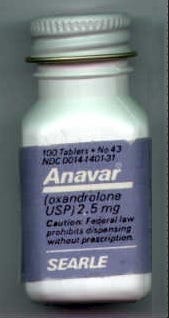
Modern reports frequently describe oxandrolone as weak or ineffective. This contrasts with older clinical data and earlier bodybuilding accounts. On paper, its anabolic-to-androgenic ratio (~322–630 : 24) corresponds to roughly 3× to 6× more anabolic activity per milligram than testosterone, with lower androgenicity. The discrepancy is consistent with widespread substitution of oxandrolone by other oral steroids in the current market.
This article examines the structure, pharmacology, clinical evidence, and real-world use of oxandrolone, then addresses the gap between expected and observed effects.